Structured Support
A predictable weekly structure of key work, group engagement and house responsibilities.
Our Programme
A structured, therapeutic programme that bridges the gap between residential treatment and independent living.
What It Is
Secondary recovery accommodation is a substance-free home with structured support for people who have completed primary treatment. Residents keep working on recovery while gradually taking on the responsibilities of everyday life.
Support is practical and personal. Residents have a recovery plan, regular one-to-one time with a Recovery Practitioner, and the routine of a shared household with clear expectations.
The programme has a single purpose: to prepare each resident for safe, sustainable independent living.
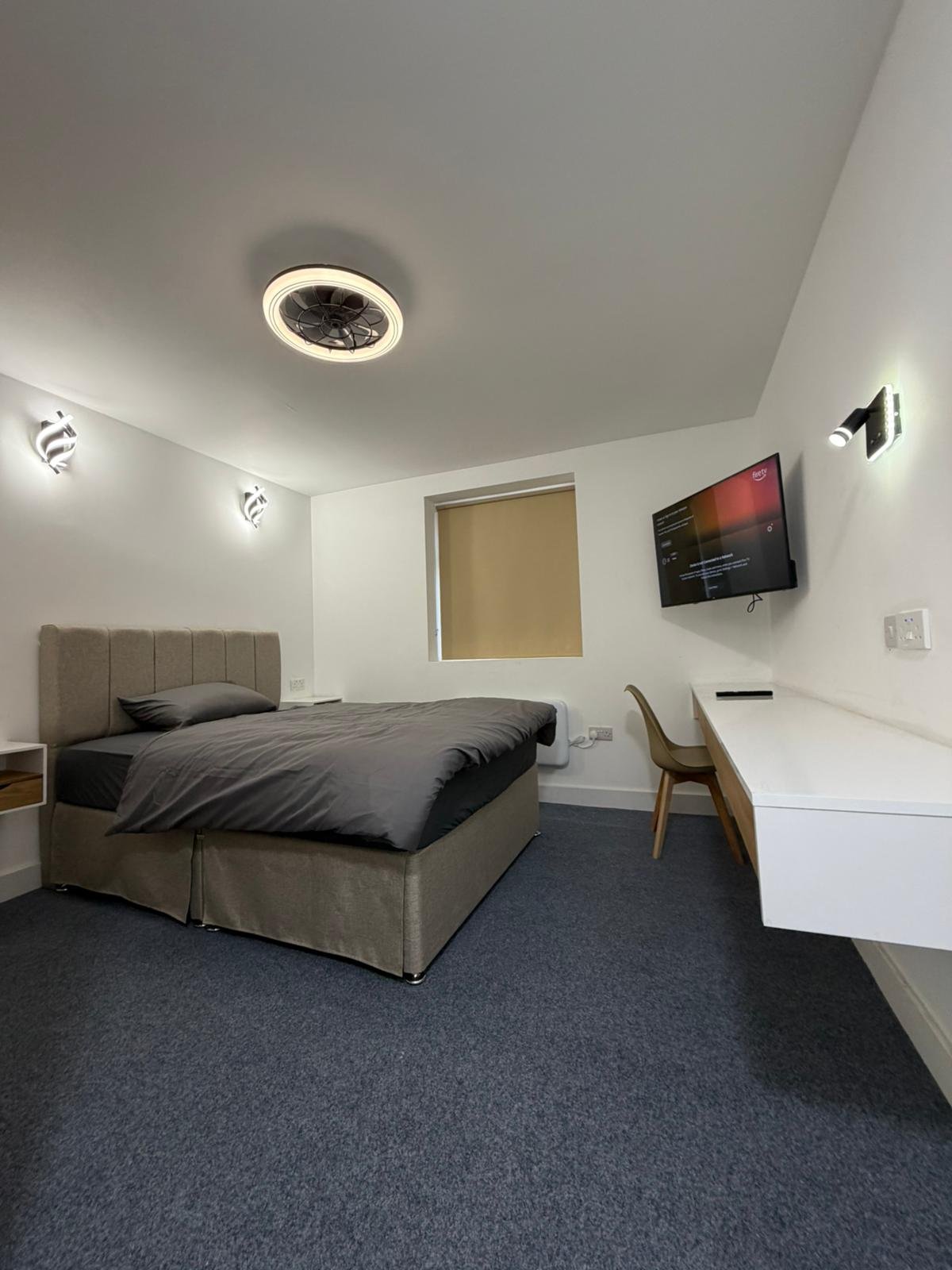
Programme Elements
A predictable weekly structure of key work, group engagement and house responsibilities.
A personalised plan agreed with a Recovery Practitioner and reviewed as circumstances change.
Identifying triggers and early warning signs, and rehearsing coping strategies in real situations.
Budgeting, cooking, self-care, appointments, employment and education — practised day to day.
Living alongside others in recovery, with connection to local groups and 12-step fellowships.
Ongoing therapeutic support to build self-awareness, manage difficult feelings and rebuild confidence.
Guidance for families so they can offer constructive support during and after the programme.
A planned move-on stage, so leaving is a step forward rather than a sudden change.
How It Works
Stage 1
A welcome and orientation to the house, an initial needs assessment, and agreement of house expectations.
Stage 2
Personal goals are agreed with a Recovery Practitioner, covering health, relationships, finances and purpose.
Stage 3
Regular key work, group engagement, community meetings and practical life skills alongside relapse prevention.
Stage 4
Increasing responsibility — work, volunteering, education, managing money and time — with support in place.
Stage 5
A planned transition to independent living, with community support and recovery networks already established.
Eligibility
Our service is designed for adults who have completed primary treatment and want continued support as they move towards independent living.
Our team is happy to talk it through confidentially — for yourself, a family member or a client.